Captivating Introduction
The gaming industry has undergone a remarkable transformation over the past few decades, evolving from a niche hobby to a global phenomenon with a projected market size of over $190 billion by 2025. The once-considered ‘fringe’ activity has become a mainstream force, attracting investors, governments, and entrepreneurs alike. As the gaming landscape continues to evolve, it’s essential to understand the factors that contributed to its global success. In this in-depth analysis, we’ll explore the key milestones, innovations, and strategies that propelled gaming into the global industry it is today.
1. The Emergence of Home Consoles
The release of the Magnavox Odyssey in 1972 marked the beginning of home console gaming. This pioneering device introduced the concept of playing games on a television, paving the way for the iconic Atari 2600 in 1977. The Atari 2600’s massive commercial success brought gaming into the mainstream, sparking a console war that would shape the industry’s future. The competition between Atari, Intellivision, and ColecoVision led to significant innovations, such as the development of cartridges and the introduction of iconic characters like Pac-Man and Donkey Kong.
2. The Rise of PC Gaming
The 1980s saw the rise of PC gaming, with the introduction of IBM-compatible computers and the development of game engines like Sierra’s AGI. PC gaming offered a more immersive experience than consoles, with the ability to create custom levels and interact with users through bulletin board systems (BBS). The popularity of PC gaming led to the creation of game development companies like id Software and Origin Systems, which produced groundbreaking titles like Doom and Ultima.
3. The Advent of Online Gaming
The late 1990s witnessed the emergence of online gaming, with the introduction of dial-up connections and the development of multiplayer games like Doom and Quake. The launch of the first massively multiplayer online role-playing game (MMORPG), Ultima Online, in 1997 revolutionized the gaming landscape. Online gaming enabled players to connect with others worldwide, fostering communities and creating new revenue streams through subscription-based models.
4. The Rise of Mobile Gaming
The proliferation of smartphones in the late 2000s led to the explosion of mobile gaming. The release of the iPhone in 2007 and the subsequent introduction of Android devices created a new platform for gaming, with the ability to play games on-the-go. Mobile gaming brought a new level of accessibility, with titles like Angry Birds and Candy Crush Saga achieving massive commercial success.
5. The Esports Phenomenon
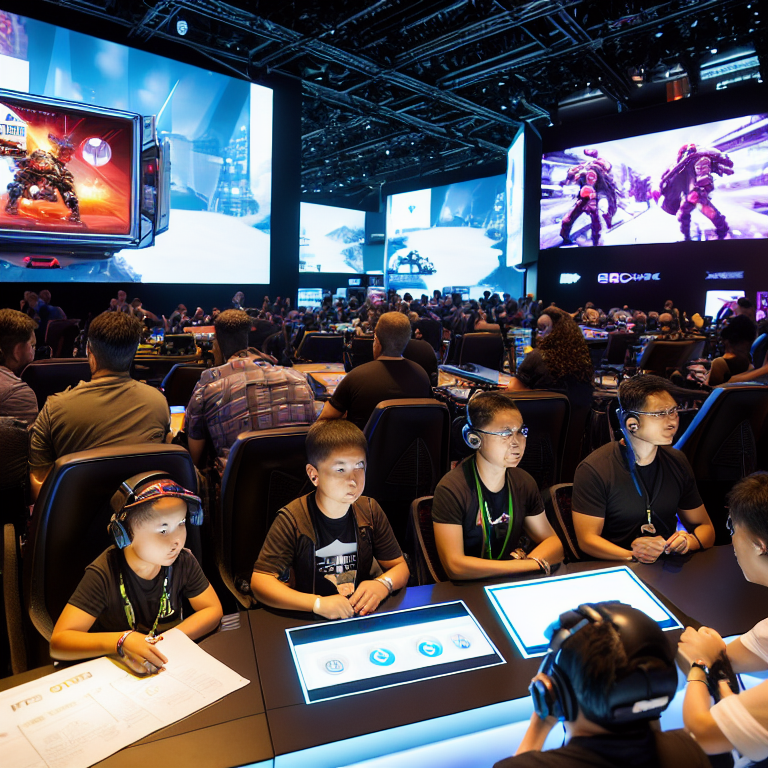
The rise of competitive gaming, or esports, in the 2010s marks a significant milestone in the global gaming industry. The growth of online streaming platforms like Twitch and YouTube Live enabled gamers to broadcast their gameplay, attracting massive audiences and creating new revenue streams through sponsorships and advertising. Esports leagues and tournaments, such as the League of Legends Championship Series and the Overwatch World Cup, have become major events, with prize pools exceeding $10 million.
6. The Shift to Digital Distribution
The late 2000s saw the emergence of digital distribution platforms like Steam and the App Store, revolutionizing the way games are delivered and consumed. Digital distribution enabled developers to reach a global audience, reducing the need for physical copies and allowing for more frequent updates and patches.
7. The Importance of Community Engagement
The gaming industry’s shift towards digital distribution and online platforms has created new opportunities for community engagement. Developers can now interact directly with players through social media, forums, and live streams, fostering a sense of ownership and loyalty among fans. This approach has led to the creation of dedicated communities around games like World of Warcraft and Final Fantasy XIV.
8. The Role of Influencers and Content Creators
The rise of social media and online streaming has given birth to a new breed of gaming influencers and content creators. These personalities have built massive followings, leveraging their influence to promote games, products, and services. Influencers have become essential partners for game developers, providing valuable feedback and promoting titles to their audiences.
Industry Secrets & Tips
To succeed in the global gaming industry, developers should focus on the following strategies:
- Foster a strong community through social media, forums, and live streams.
- Develop engaging narratives and characters that resonate with players.
- Utilize data analytics to inform game design and marketing decisions.
- Create a robust online presence through digital distribution platforms and social media.
- Collaborate with influencers and content creators to promote your game.
Examples & Case Studies
The success of games like Minecraft, Fortnite, and League of Legends demonstrates the industry’s shift towards digital distribution, online communities, and esports. The popularity of these titles has led to the creation of new business models, such as subscription-based services and in-game transactions.
FAQs
Q: What is the current state of the gaming industry?
A: The gaming industry is currently valued at over $190 billion, with a projected growth rate of 10% annually. The rise of mobile gaming, esports, and digital distribution has created new opportunities for developers and investors alike.
Q: What are the key factors contributing to the gaming industry’s growth?
A: The growth of the gaming industry can be attributed to the emergence of home consoles, the rise of PC gaming, the advent of online gaming, the proliferation of mobile devices, the rise of esports, and the shift to digital distribution.
Q: How can developers succeed in the global gaming industry?
A: Developers should focus on creating engaging narratives and characters, fostering a strong community through social media and live streams, utilizing data analytics to inform game design and marketing decisions, and collaborating with influencers and content creators to promote their game.
Q: What is the role of influencers and content creators in the gaming industry?
A: Influencers and content creators have become essential partners for game developers, providing valuable feedback and promoting titles to their audiences. They have built massive followings, leveraging their influence to promote games, products, and services.
Q: What are the current trends in the gaming industry?
A: The current trends in the gaming industry include the rise of cloud gaming, the growth of virtual reality (VR) and augmented reality (AR) gaming, and the increasing importance of esports and online communities.
Absolute Conclusion
The gaming industry has undergone a remarkable transformation over the past few decades, evolving from a niche hobby to a global phenomenon. The key factors contributing to its growth include the emergence of home consoles, the rise of PC gaming, the advent of online gaming, the proliferation of mobile devices, the rise of esports, and the shift to digital distribution. By understanding these factors and adopting strategies like community engagement, data analytics, and influencer partnerships, developers can succeed in the global gaming industry.